
The selection of solid wood finishing materials should begin already at the project planning stage
 In
construction, one of the most frequently used materials is solid
wood, although in recent years it has faced significant competition
from various artificially manufactured materials that are cheaper or
have improved installation or performance properties. Nevertheless,
considering that solid wood is a natural and readily available
material, it continues to be widely used in construction. Solid wood
is increasingly highlighted as a sustainable building material as
well. Studies by the European Commission and the IPCC
(Intergovernmental Panel on Climate Change) indicate that wood in
construction acts as a long-term carbon store, sequestering CO₂
throughout the entire lifecycle of a building. Compared to steel or
concrete, the production of solid wood requires significantly less
energy, which is one of the reasons why wood is actively used in
sustainable and environmentally friendly construction projects across
Europe.
In
construction, one of the most frequently used materials is solid
wood, although in recent years it has faced significant competition
from various artificially manufactured materials that are cheaper or
have improved installation or performance properties. Nevertheless,
considering that solid wood is a natural and readily available
material, it continues to be widely used in construction. Solid wood
is increasingly highlighted as a sustainable building material as
well. Studies by the European Commission and the IPCC
(Intergovernmental Panel on Climate Change) indicate that wood in
construction acts as a long-term carbon store, sequestering CO₂
throughout the entire lifecycle of a building. Compared to steel or
concrete, the production of solid wood requires significantly less
energy, which is one of the reasons why wood is actively used in
sustainable and environmentally friendly construction projects across
Europe.
When starting building design and planning, it is also important to decide which finishing materials will be used for both the facade and interior spaces, as this can affect not only the choice of structural building materials but also other construction-related solutions. For example, ash or oak are relatively heavier (wood density is approximately 600–750 kg/m³) than artificial materials, so structural solutions must be selected that are capable of bearing the load. Solid wood floors are not used when underfloor heating is installed, as the wood will absorb heat and also change its original appearance, resulting in cracking.
Interior and architectural studies have concluded that the use of natural materials in interiors has a positive effect on human well-being; for example, they can reduce stress, improve emotional comfort, and enhance overall spatial perception. Using one type of wood across different interior elements helps create a harmonious environment; therefore, when planning to use solid wood furniture indoors, the same type of wood is also used for skirting boards, door frames, and other interior finishing elements, creating a cohesive overall appearance. For these reasons, if a decision on finishing materials is not made at an early stage, situations may arise in which solid wood cannot be used or leads to additional costs, for example, due to the need to adapt structural solutions.
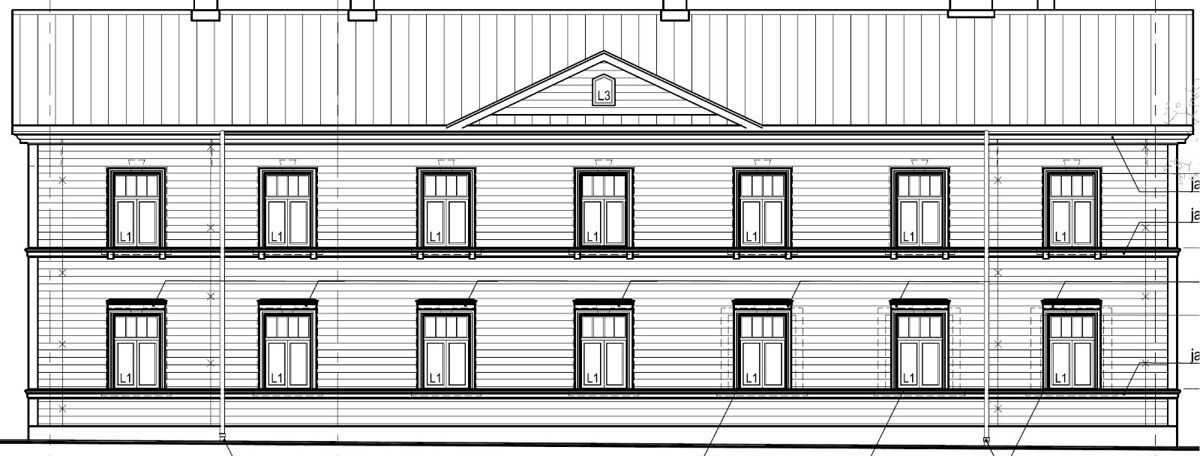
When planning a building, it is also important to consider its intended use. For example, in public buildings with high traffic, finishing materials should be made from hardwood, such as ash or oak. In buildings with high humidity, such as saunas, moisture-resistant wood should be used – such as aspen, black alder, linden, or similar species. Facade boards must be resistant to changing weather conditions; therefore, materials made from pine or spruce are most commonly used, as they are also durable under harsh climatic conditions with significant temperature fluctuations. Choosing the appropriate material is essential to ensure that the selected solution performs well in the long term and does not require extensive repair work or even building reconstruction after just a few years of use.
It should be taken into account that construction is a highly seasonal industry, and therefore the availability of materials and craftsmen also depends on the season. With the arrival of the first warm weather in spring, the outdoor construction season begins and lasts until autumn. In contrast, during the autumn and winter periods, construction takes place indoors, and interior works are carried out, such as floor installation and wall finishing. When planning construction works and selecting materials, it is important to consider that during the peak season there may be situations in which neither craftsmen nor materials are available. Therefore, not only should construction contractors be arranged well in advance, but it is also recommended to start looking for the necessary finishing materials approximately six months before they are needed. This can also help to slightly reduce material costs, as manufacturers can plan several similar orders together, allowing them to purchase raw production materials in larger quantities and at lower prices.
It is important to note that properly selected solid wood finishing materials, correct installation, and appropriate maintenance and care during use create value that not only leads to long-term savings by reducing the need for major repairs, but also contributes to historical value, which ultimately becomes part of the story of a particular building or era.